Knowledge Transfer at International Congresses: How Encounters Create Lasting Impact
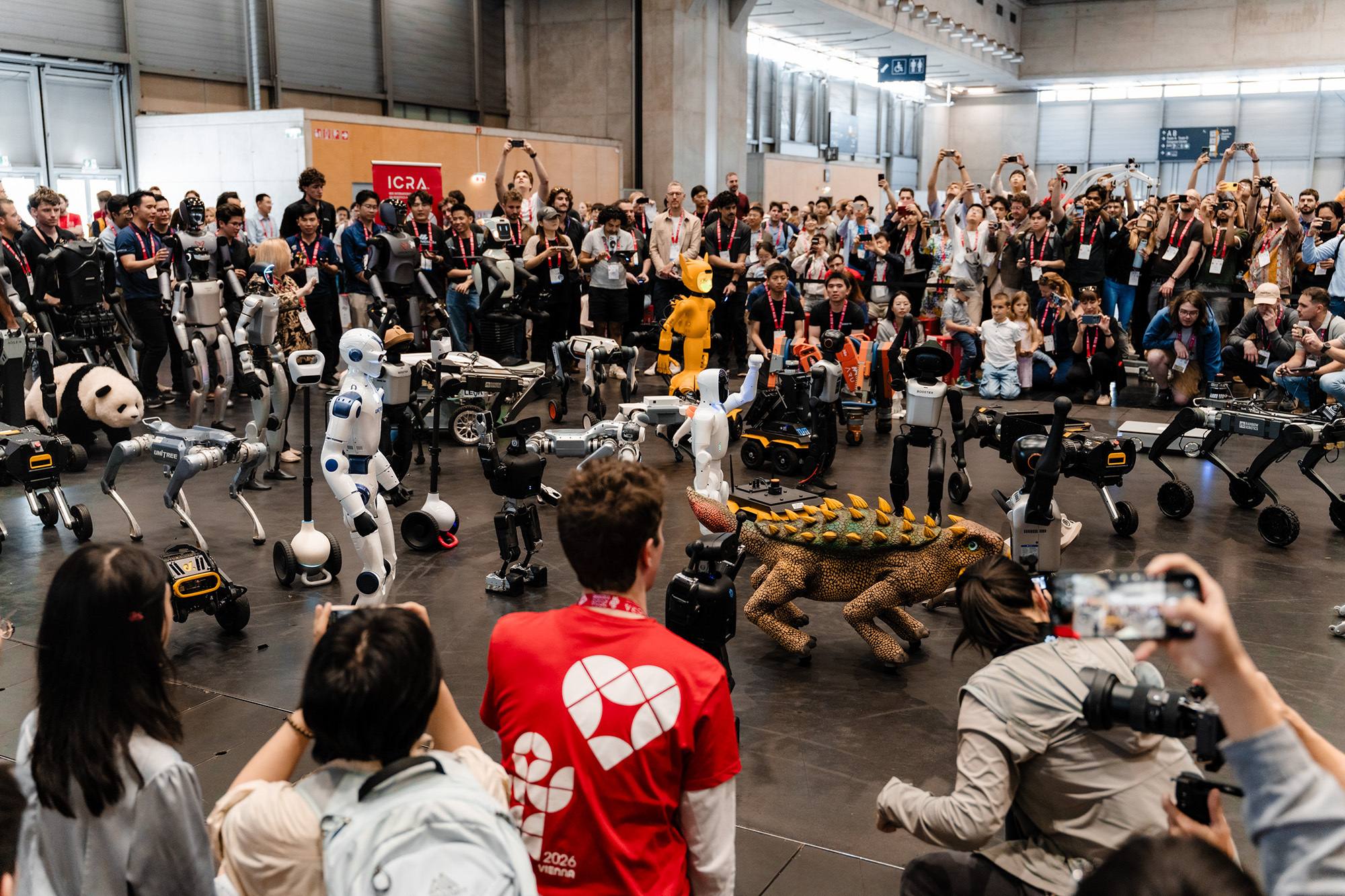
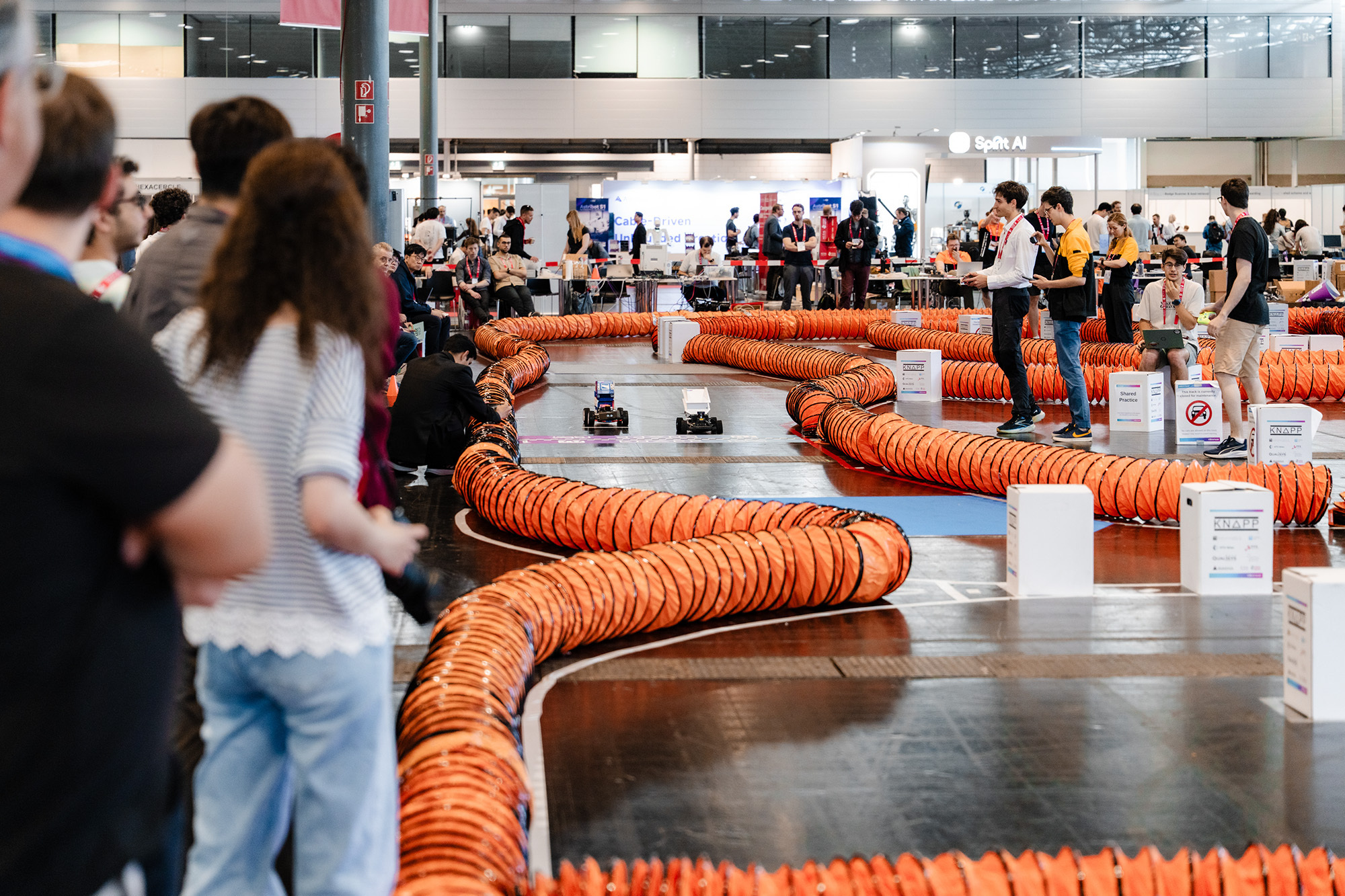
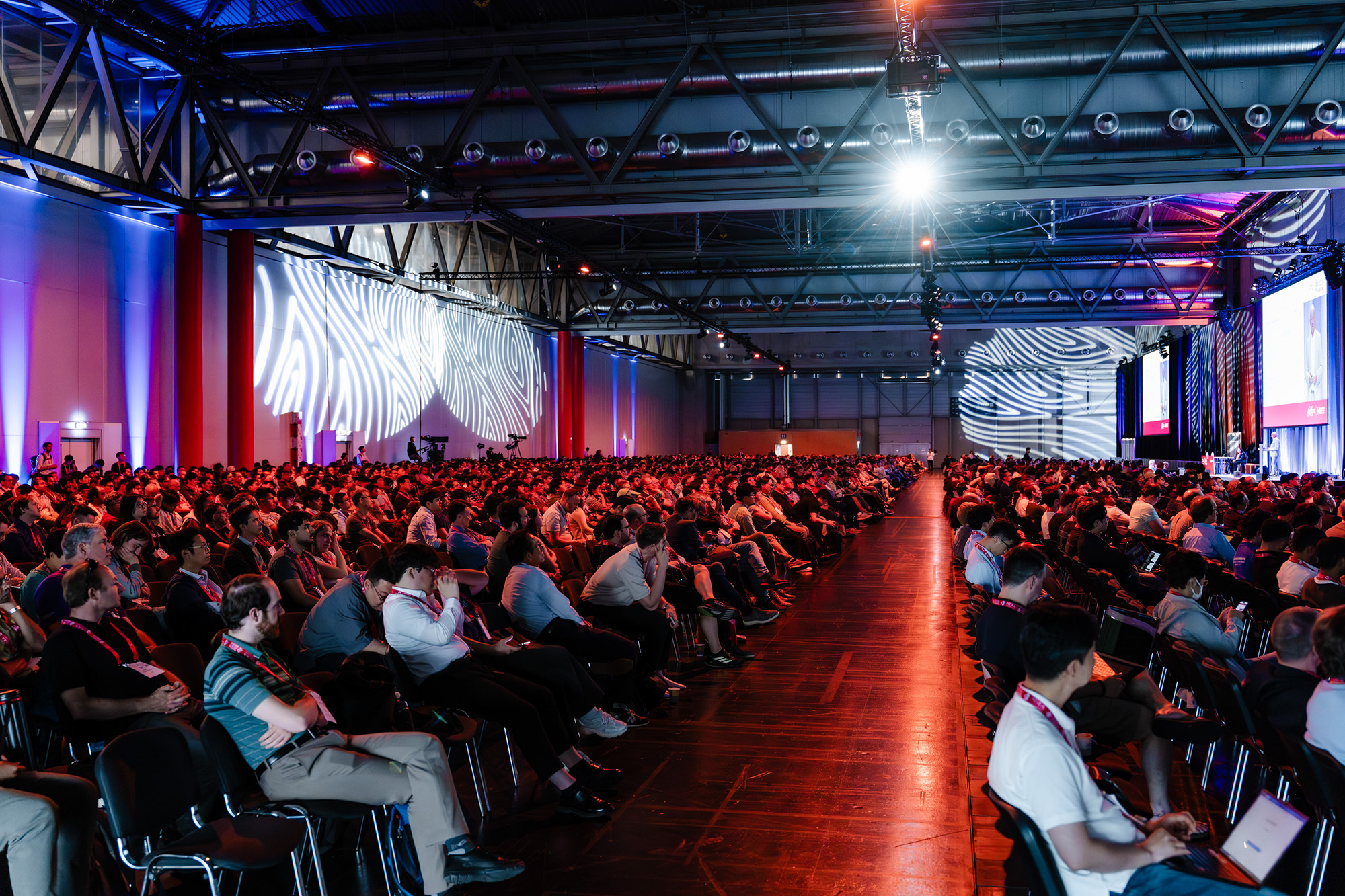
A competition area with its own racetrack, 14.000 m² of exhibition and competition space, 196 exhibitors, 20 start-ups, more than 200 sessions in various formats, 12 keynotes, and a plenary hall with nearly 4,000 seats: the IEEE International Conference on Robotics and Automation (ICRA 2026) at VIECON Messe Wien demonstrated just how multifaceted international scientific conferences have become.
In early June, around 9,000 participants—from research, industry, and emerging talent—gathered in Vienna to discuss, test, and showcase the latest developments in robotics, artificial intelligence, and automation. For several days, VIECON became a place where scientific exchange, technological demonstration, personal encounters, and public engagement came together.
Because knowledge transfer does not happen through presentations or expert discussions alone. It happens wherever people share knowledge, challenge it, develop it further, and place it in new contexts. That is exactly what international congresses enable: research meets application, companies connect with scientific communities, and young talents engage with experienced experts.
What Knowledge Transfer Means at International Congresses
At international congresses, knowledge transfer means that research findings, practical experience, and technological developments are shared and advanced between academia, industry, emerging professionals, and the broader public.
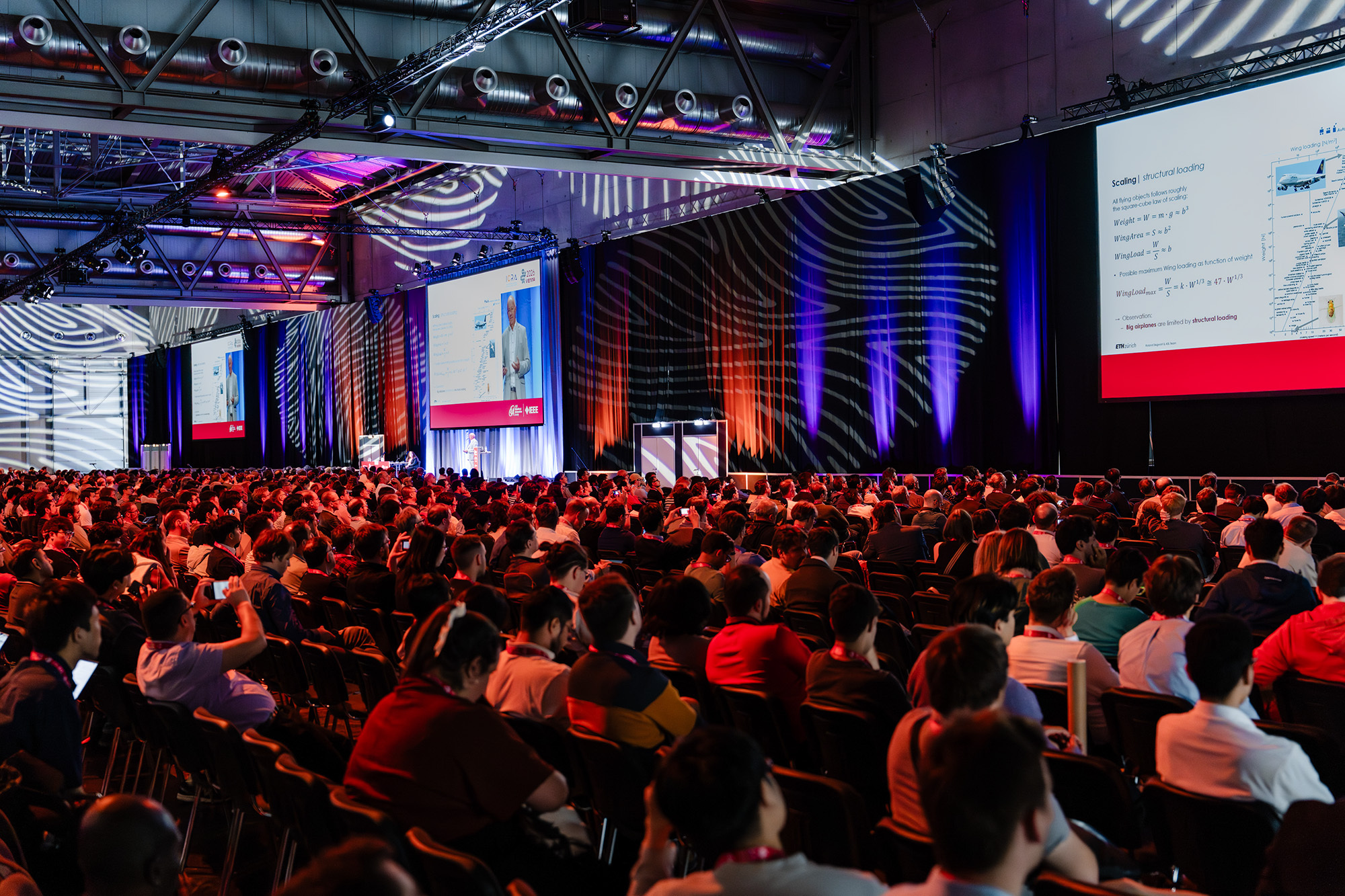
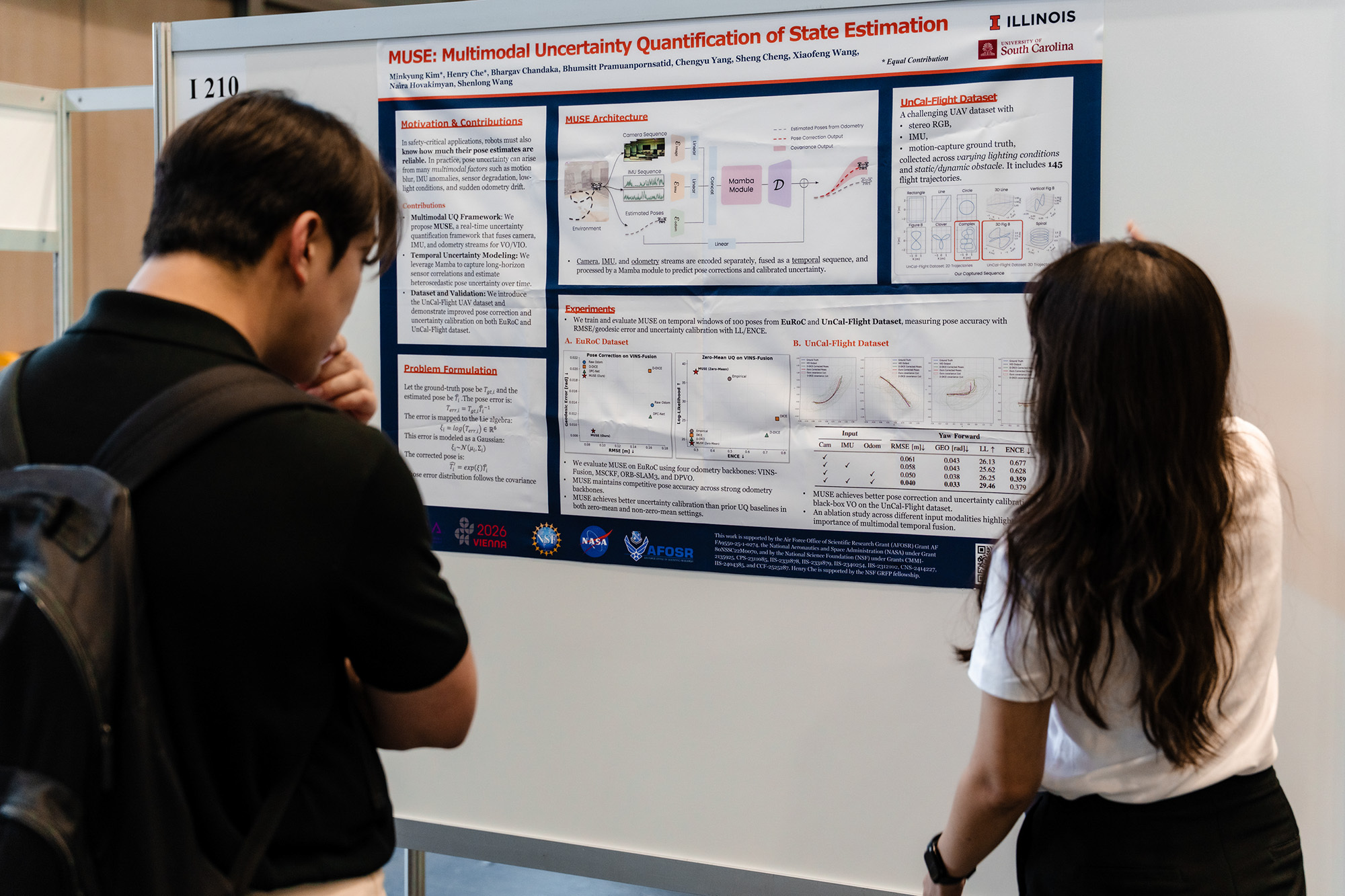
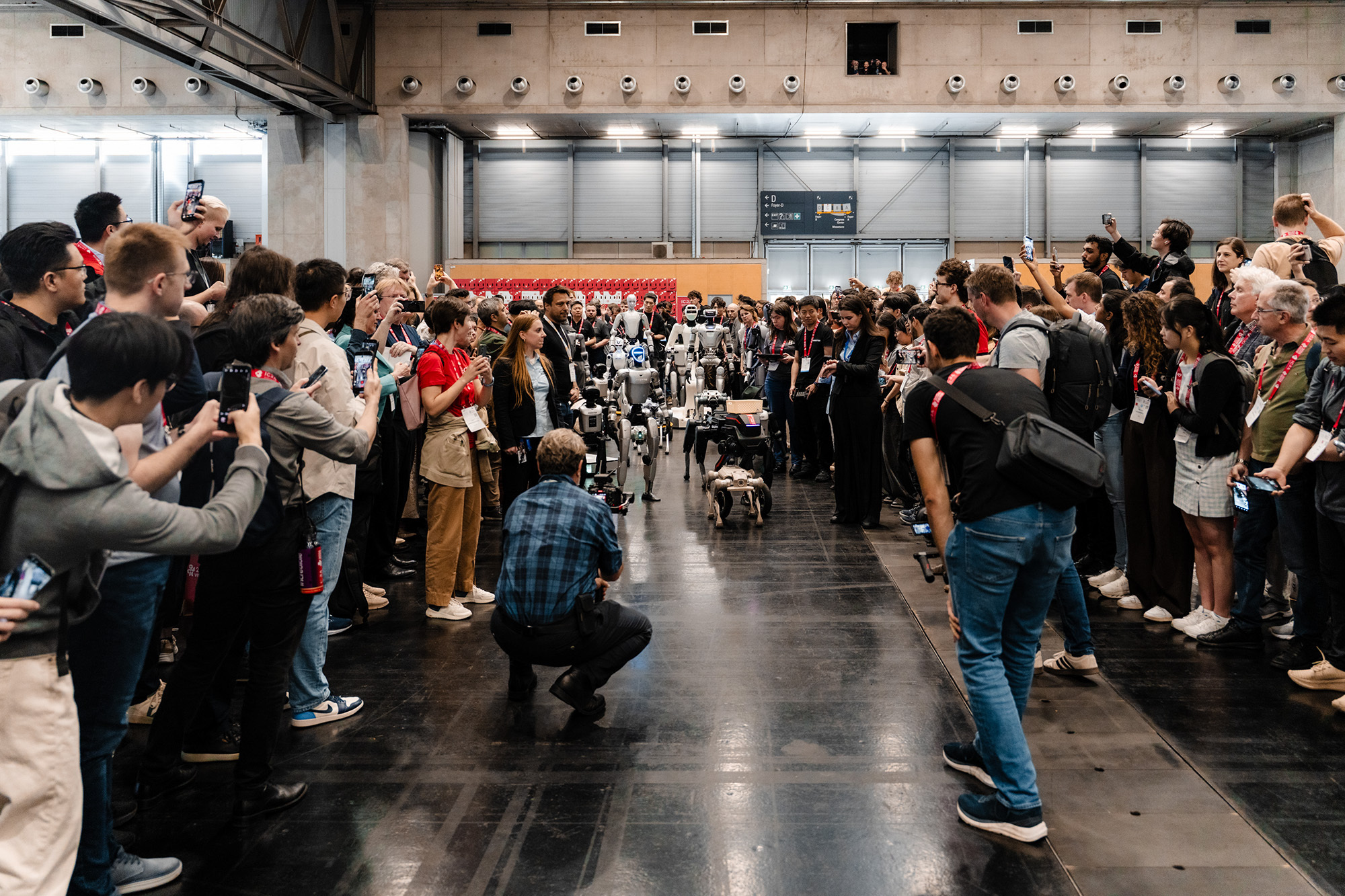
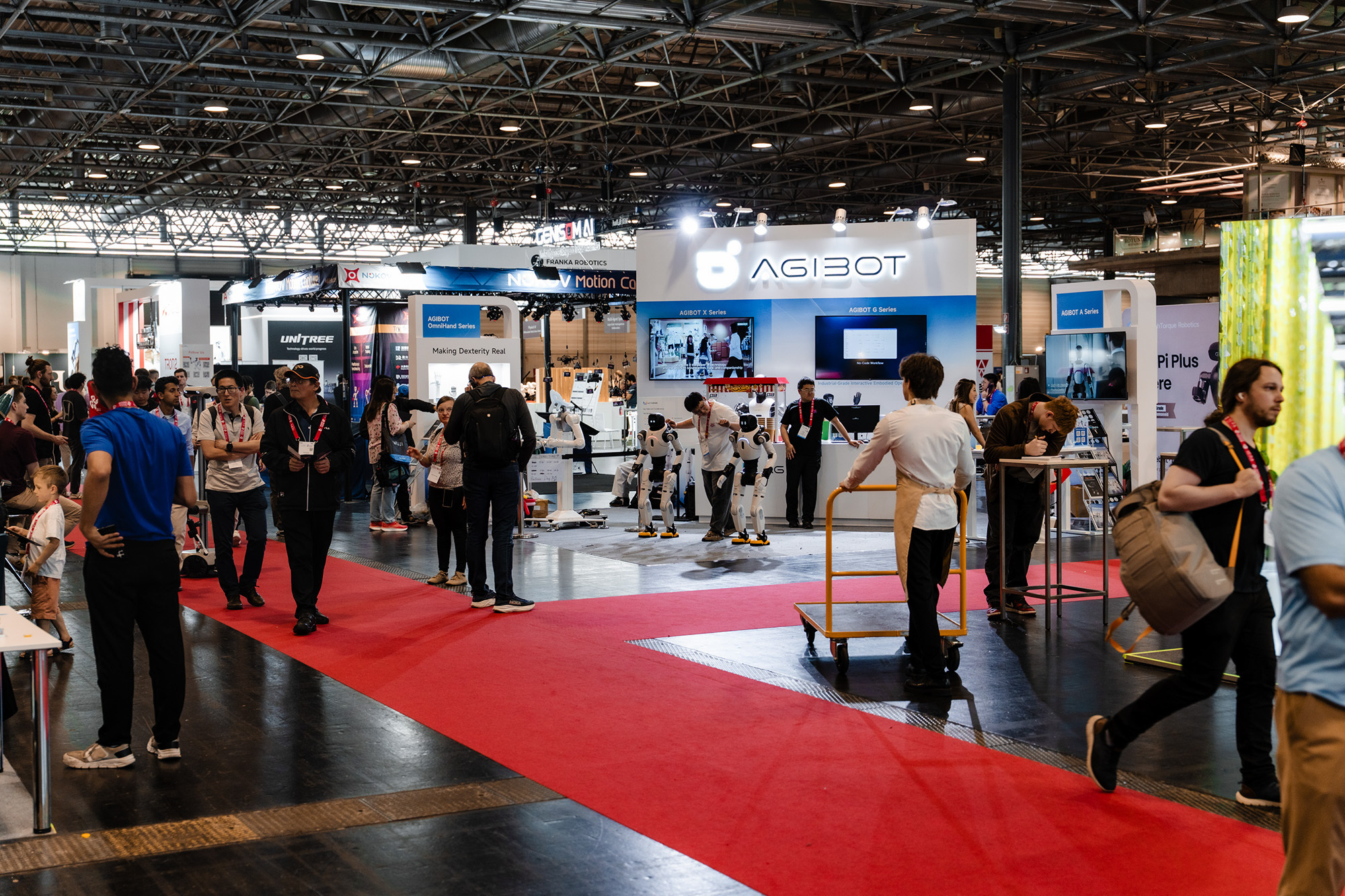
At ICRA 2026, this took place on many levels: in scientific sessions, workshops, and tutorials; in poster areas; within the industry exhibition; and in the competition areas. Researchers presented their latest results, companies demonstrated real-world applications, and start-ups offered insights into technologies that are just entering the market.
This simultaneity is what makes international congresses so valuable. Knowledge is not only presented—it is discussed, compared, and experienced firsthand. This creates an environment in which new ideas, connections, and collaborations can emerge.
How ICRA 2026 Made Knowledge Transfer Visible
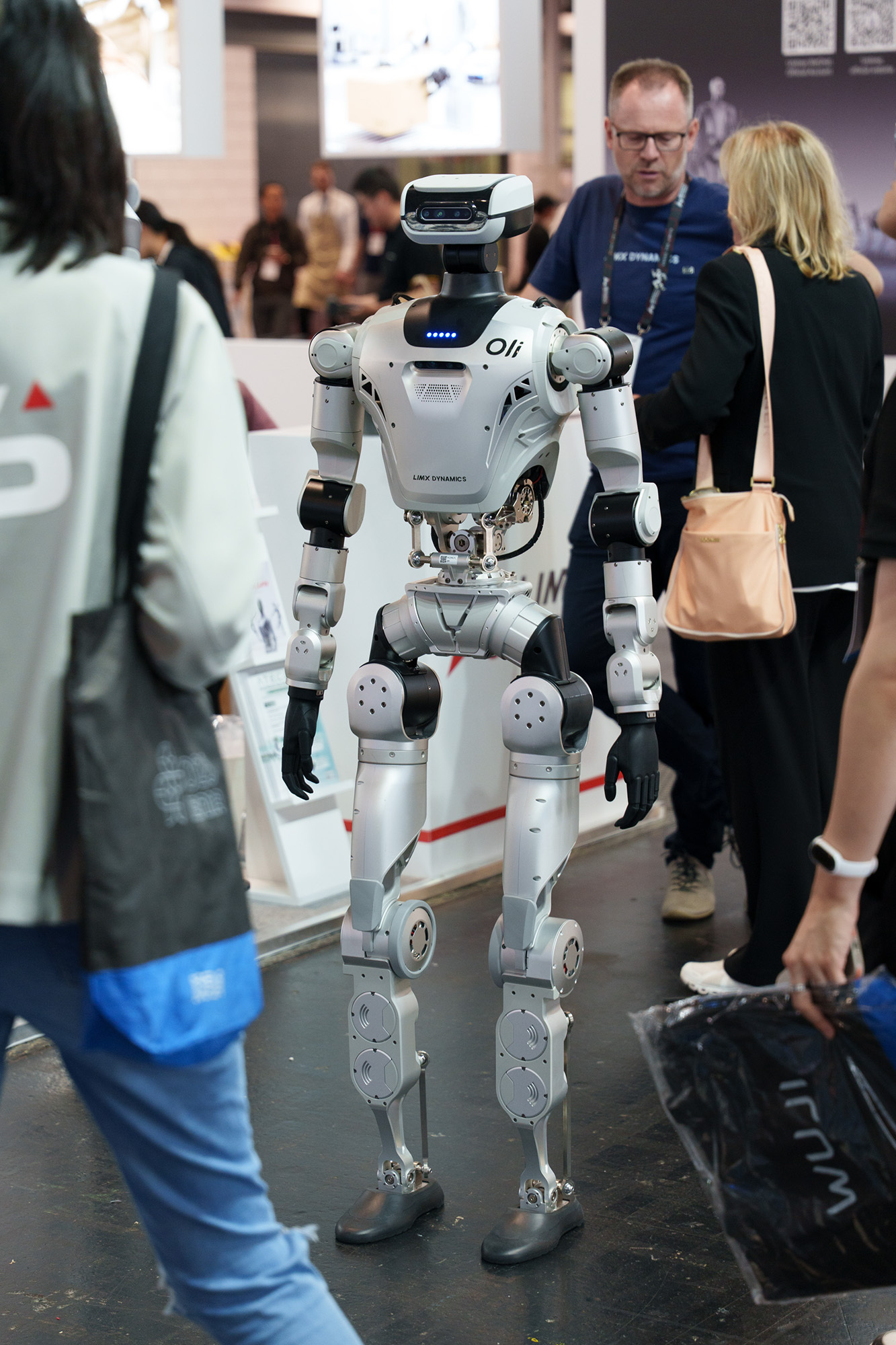
ICRA 2026 clearly showed how broadly knowledge transfer must be understood today. Robotics and artificial intelligence were not only discussed theoretically but were made visible and tangible in a wide range of formats.
Across the halls of VIECON Messe Wien, robots, autonomous systems, industrial applications, and research projects stood side by side. In the competition areas, participants tested, controlled, programmed, and compared their solutions. A dedicated racetrack highlighted that such formats require not only technical infrastructure but also sufficient space, safety measures, and flexible environments.
This made one thing clear: knowledge transfer does not only happen when presenting final results. It also emerges through experimentation, observation, comparison, and direct exchange about what technology can already achieve, where its limitations lie, and what questions it raises for the future.
Why Knowledge Transfer Needs Space
For a congress like ICRA to unfold its full impact, a strong scientific program alone is not enough. It requires a venue that can support multiple formats simultaneously.
International congresses of this scale need plenary halls for joint program elements, flexible rooms for sessions and workshops, large exhibition areas, open spaces for networking, and sufficient room for demonstrations and competitions. At ICRA 2026, all of these requirements came together.
VIECON Messe Wien provided the spatial framework—from expansive exhibition areas and competition zones to a plenary hall with 3,975 seats. This allowed scientific content, technological applications, community formats, and personal encounters to take place in parallel.
“ICRA stands for world-class research and future technologies. VIECON creates the platform where these innovations become visible, tangible, and connectable,” said Lisa Stern of AIM Group Austria, the congress organizer responsible for ICRA 2026.
How Knowledge Transfer Extends Beyond the Expert Community
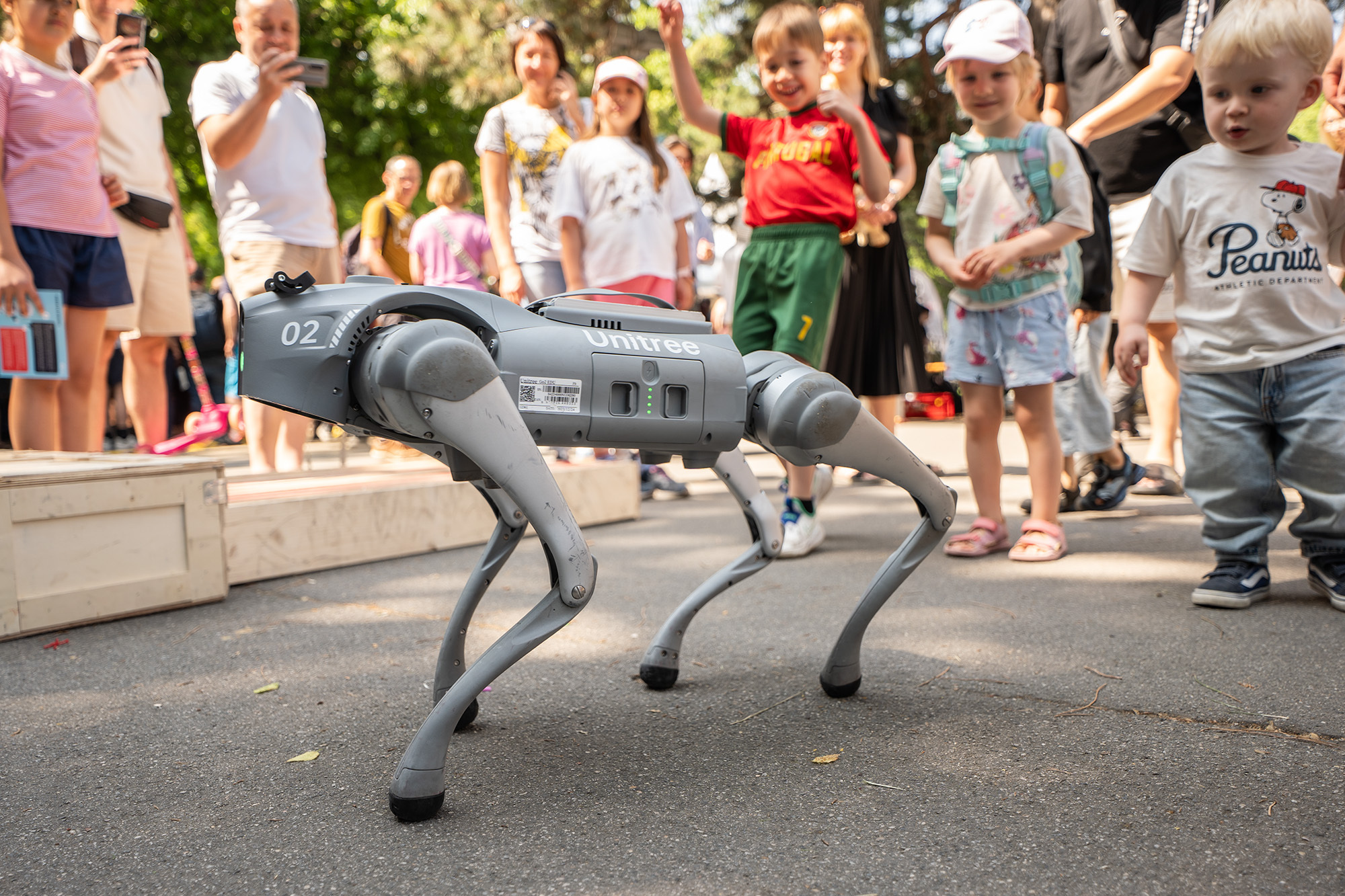
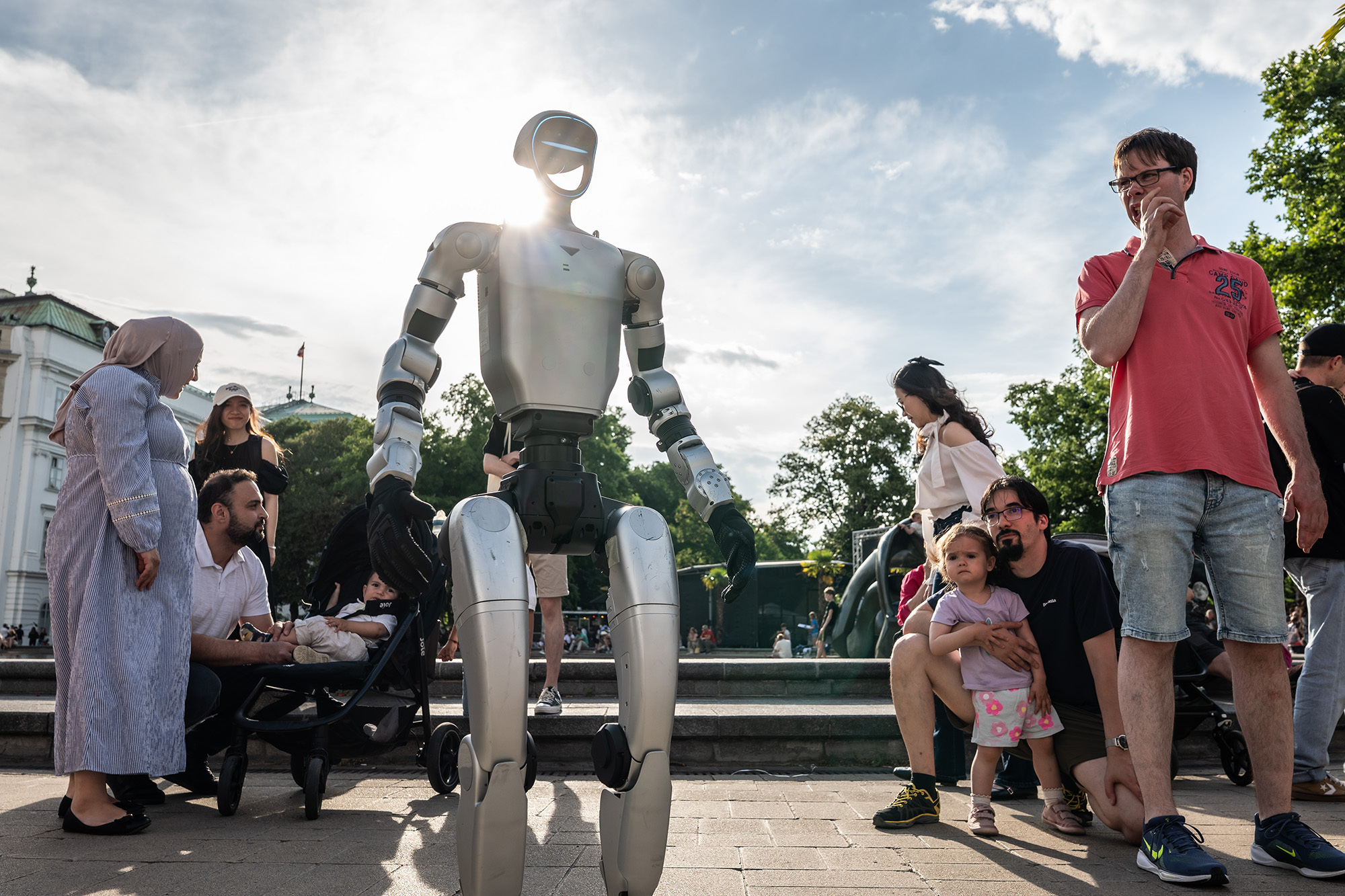
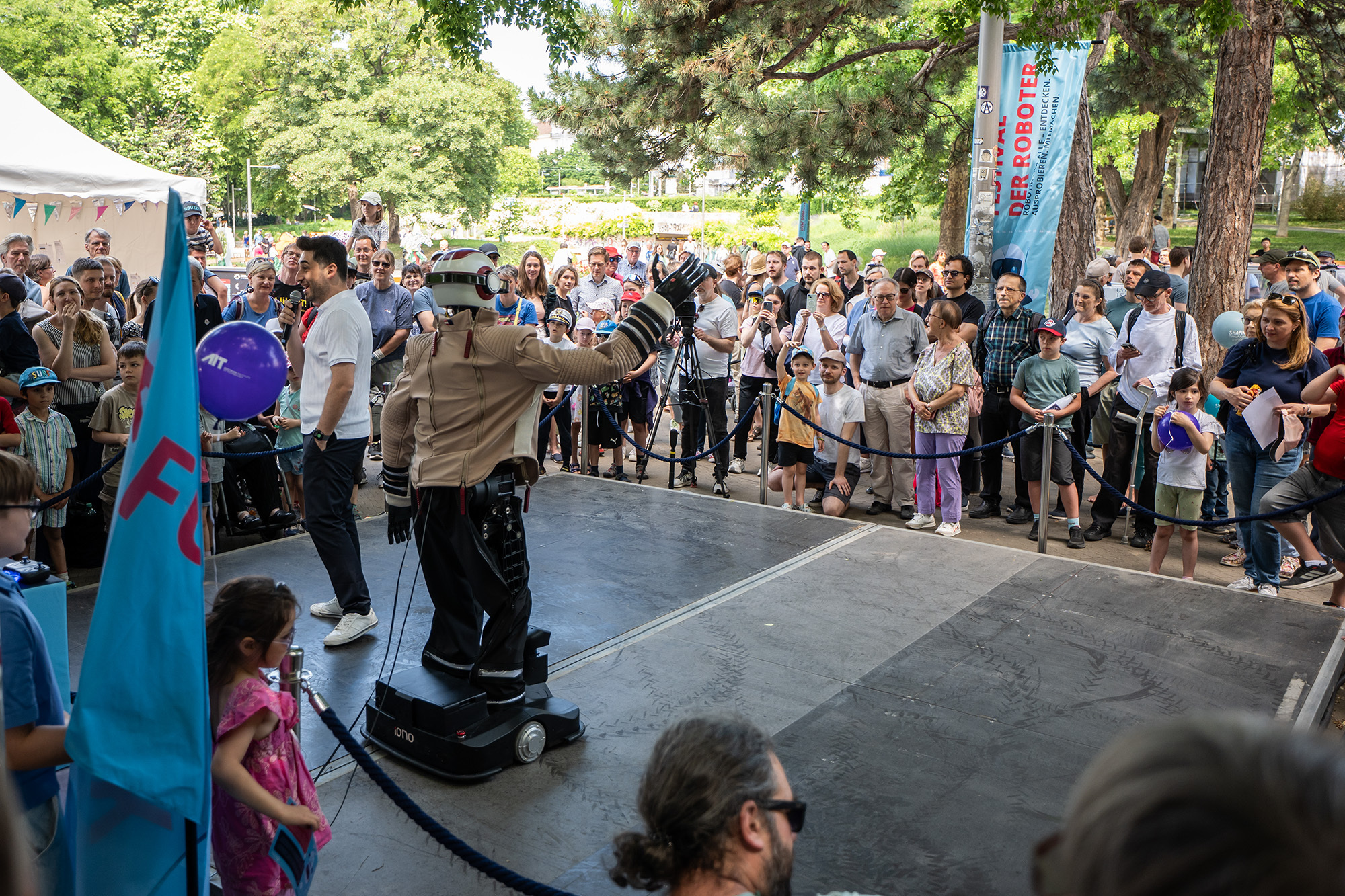
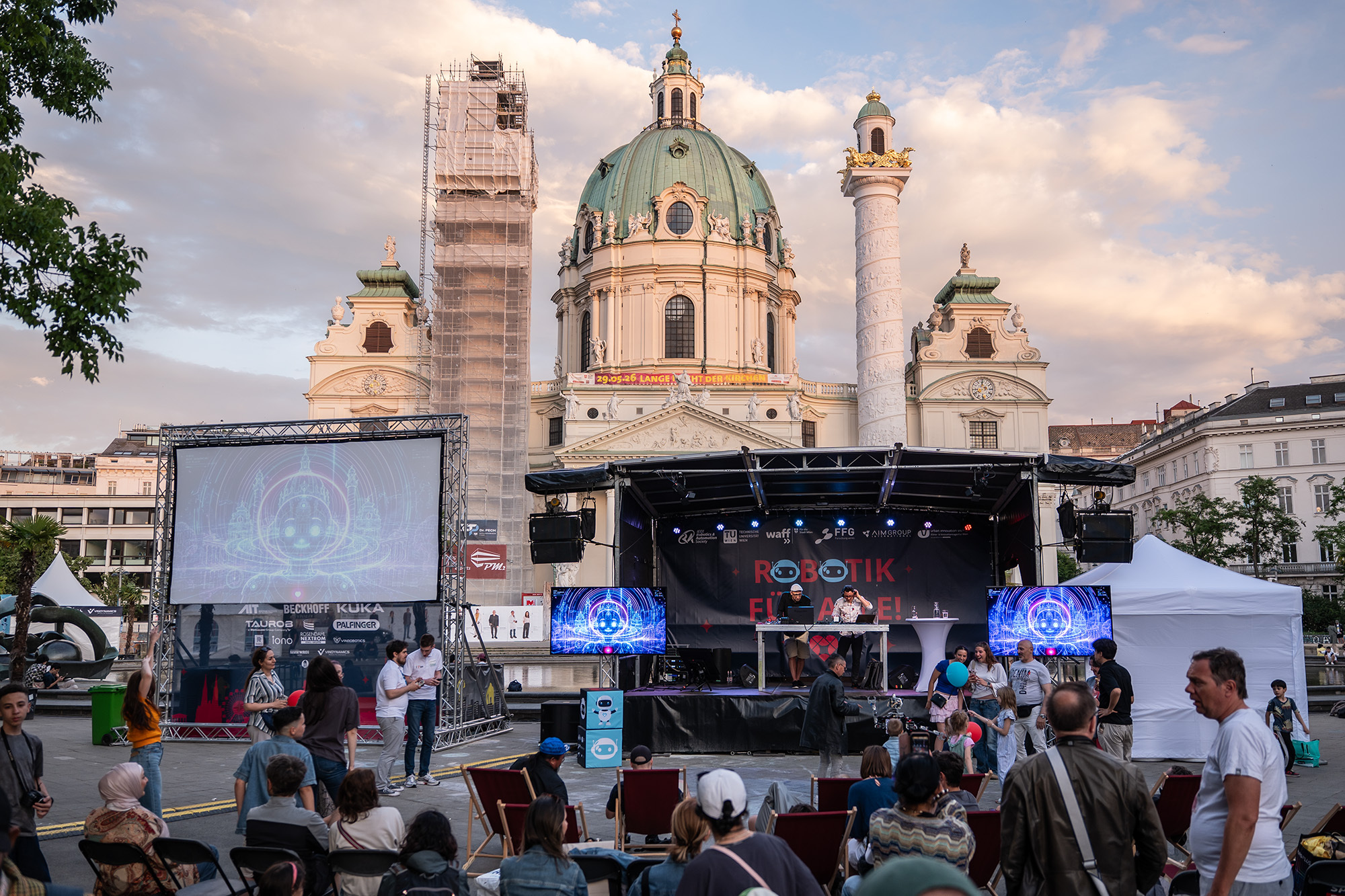
The impact of ICRA 2026 was not limited to the international professional community. Because the conference took place in Vienna, robotics also became visible beyond the congress itself—through the “Festival of Robotics” at Karlsplatz.
On May 30 and 31, TU Wien and AIM Group Austria brought robotics into the heart of the city, making it accessible to a broad audience. The open-air event, conceptually and organizationally developed by UIV Urban Innovation Vienna, attracted around 15,000 visitors and featured live demonstrations, interactive installations, and insights into current developments from research and industry.
The festival provided a concrete example of how knowledge transfer can extend beyond a specialist event. Future technologies were not only discussed within the scientific community but made accessible to people of all ages. This is particularly important in fields such as robotics and AI. Technological innovation does not unfold its societal value through technical feasibility alone—people need to understand how these technologies work, what opportunities they offer, and what questions they raise.
What Impact Remains
The significance of an international congress cannot be measured solely by participant numbers, sessions, or exhibition space. Its impact often becomes visible only over time—in new research projects, collaborations, career paths, business partnerships, or ideas sparked by encounters on site.
Prof. Markus Vincze of TU Wien and Congress Chair of ICRA 2026 recalls his first participation in the conference. There, he met researchers with whom he later implemented a major European research project. The key idea did not emerge in a formal meeting, but through conversations and encounters during the event.
This is precisely one of the greatest strengths of international congresses: they bring together people with different perspectives, experiences, and fields of expertise. Many of these connections unfold their impact long after the final conference day.
ICRA 2026 demonstrated how knowledge transfer works today—scientifically, economically, spatially, and in ways that are publicly accessible. At VIECON Center, the international robotics community came together, while the Festival of Robotics extended the topic into the city and opened it up to a wider audience.
In this sense, ICRA 2026 was more than an international scientific congress. It was a place of exchange, visibility, and collaboration.
Its impact does not end with the final session—often, that is where it truly begins.
Online since: 08. June 2026